Road to net-zero: An honest view from Ralph Groen
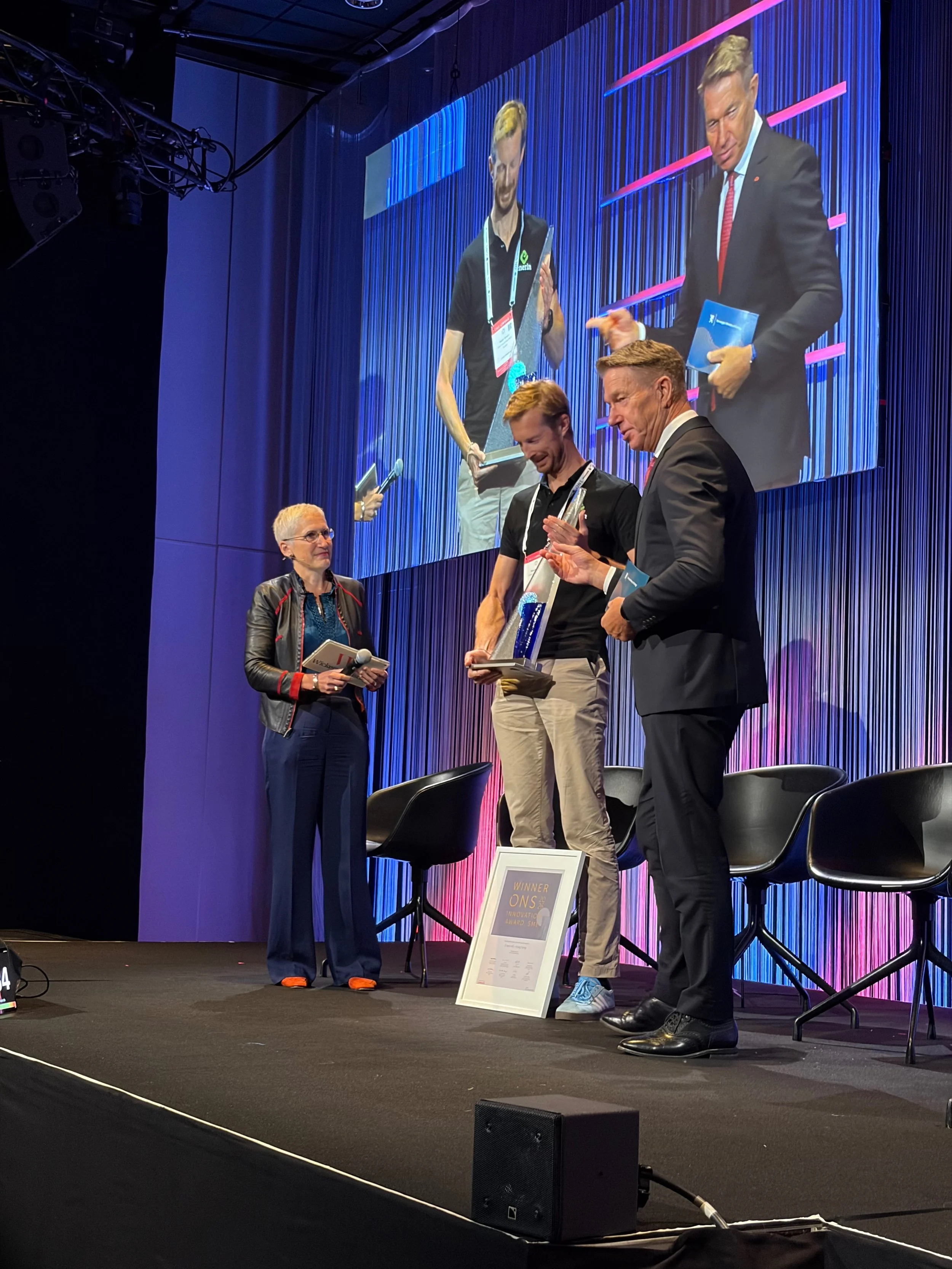
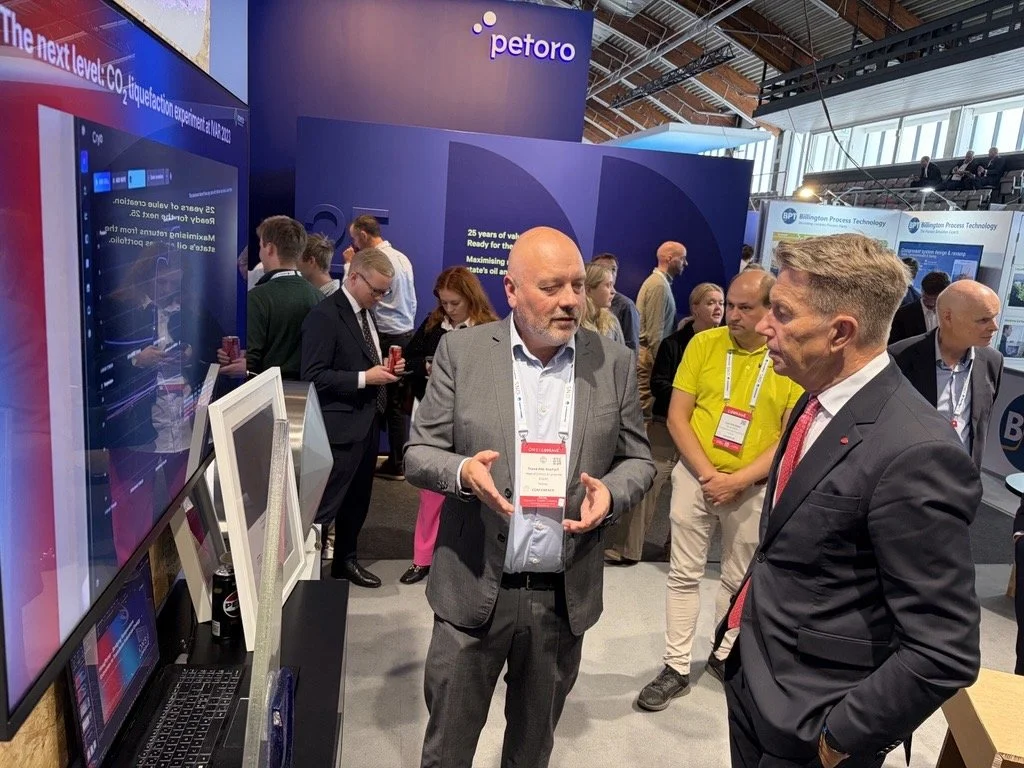
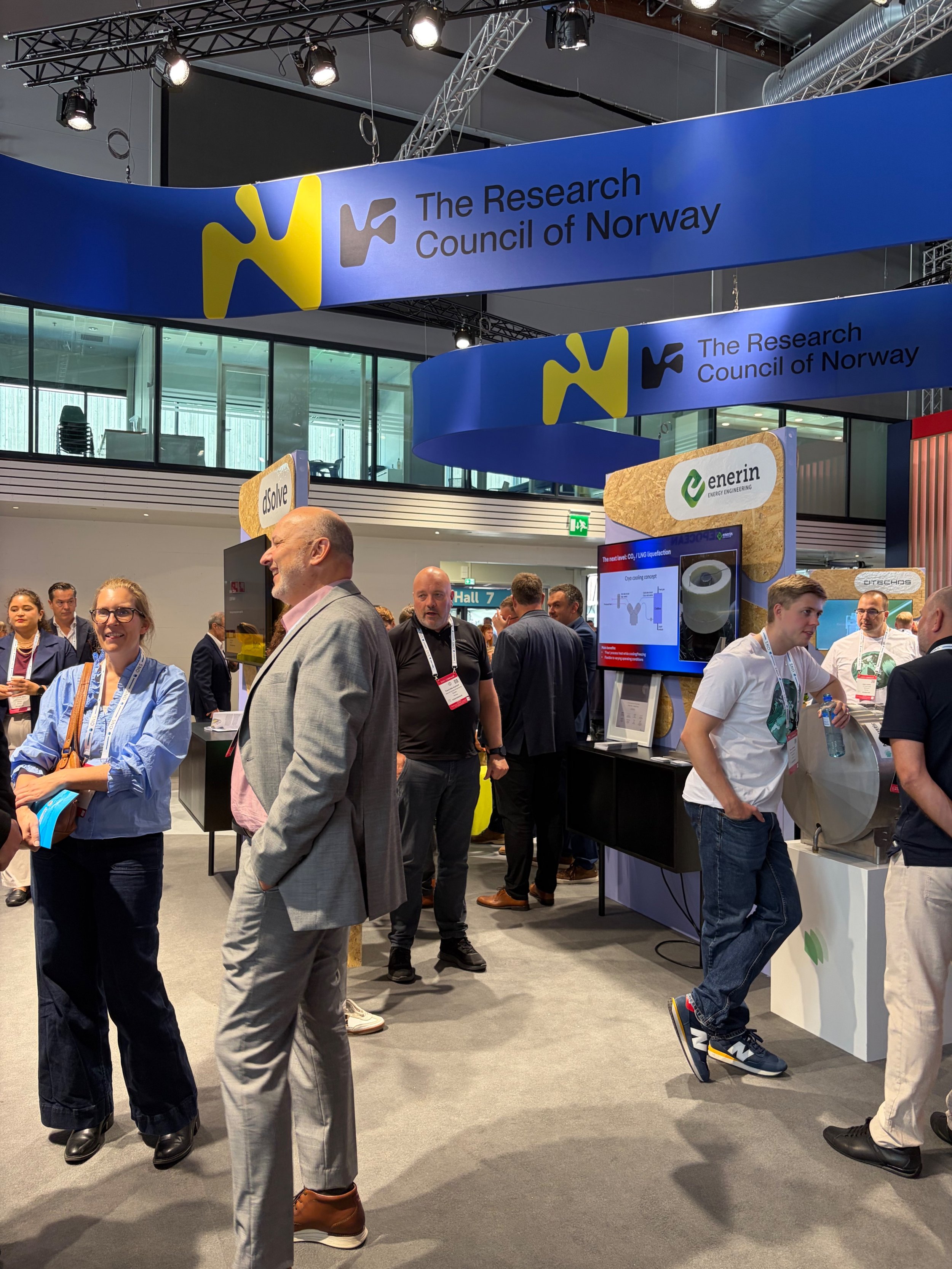
In August 2026 Enerin won the Offshore Northern Seas (ONS) SME Innovation Award in Stavanger Norway. Enerin CCO, Ralph Groen pitched the HoegTemp high-temperature heat pump with colleague, Co-founder and Head of Concept Design, Trond-Atle Asphell. He received the ONS SME Innovation award from Norway's Energy Minister, Terje Aasland. We take this opportunity to interview him.
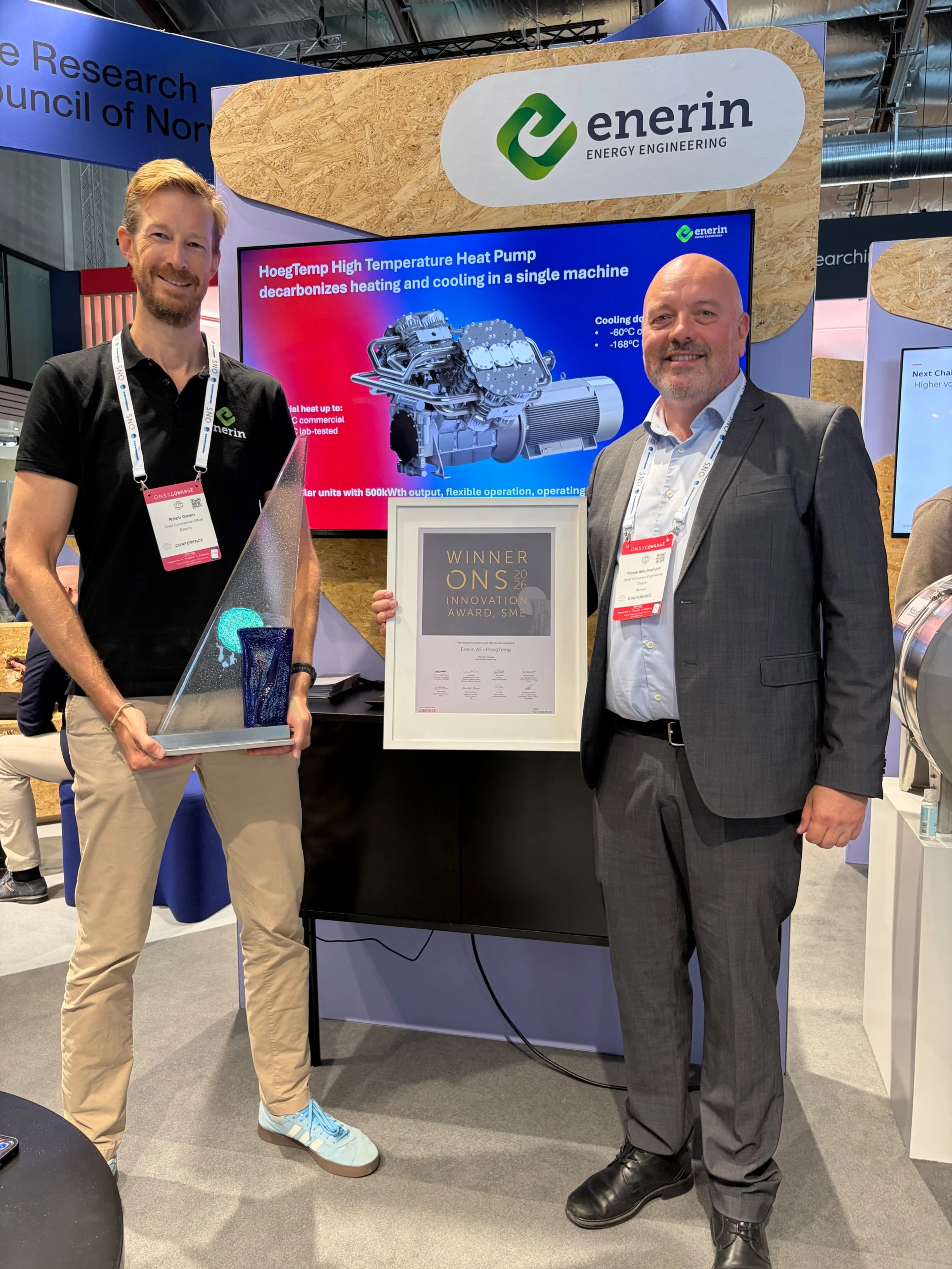
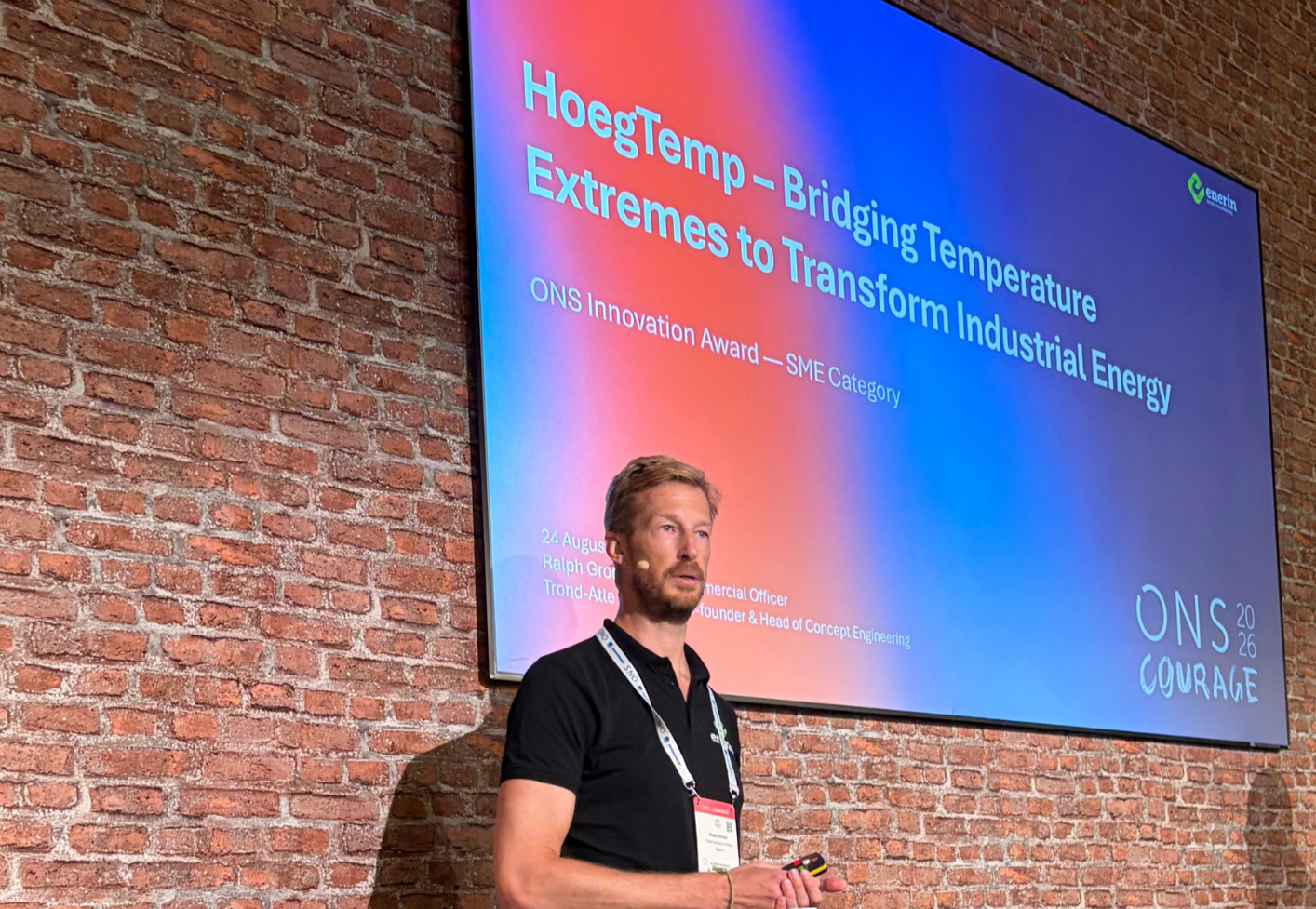
Ralph Groen photographed during Enerin’s ONS pitch which secured the SME Innovation Award in Stavanger, Norway.

The fossil Ralph found was a pecten, a typical shell shape. He still has it.
Fascinated by the Earth
How did you become a geologist?
On a hike in the French Alps with my parents, around the age of 8, I found a fossilised shell in the mountains and couldn't understand how it got there without a sea. That planted the seed. I've always been fascinated by how the Earth works — volcanoes, climate, evolution — so studying geology was a natural choice.
Professionally, I knew during graduation that I wanted to work in business. Maersk's graduate programme combined hands-on experience with business training, so I joined in 2010. Within 12 months I was offshore, geo-steering wells and had responsibility I'd never imagined. I still miss the discovery of what’s deep down in the Earth, but I know I’m making a better impact now. By the way, I still have that fossil.

Paris on a hot, summer day with smog in the air.
The turning point
What made you move from oil and gas into sustainable energies?
When the Paris Climate Agreement was signed in 2015, I started thinking about how I could contribute personally. I realised that finding more oil and gas wasn't the right path, so I quit the exploration job in 2016.
After a year of travel around the world, I joined Boston Consulting Group (BCG) in Oslo to re-skill from petroleum geologist to energy professional, gaining exposure to renewables, sustainability, and venture building. After four years, I couldn’t resist the opportunity to join a sustainable battery startup in the role of CCO, and now I’m happy to be at Enerin with the mandate to scale the business internationally.
The future of high-temperature heat pumps over the next decade
From oil and gas to net zero and second-life EV batteries, you've seen the energy sector transform. Why are you confident industrial high-temperature heat pumps, and HoegTemp, will go mainstream this decade?
A few years ago at Boston Consulting Group (BCG) in Oslo, I led a Nordic-wide net-zero study. Several conclusions were clear at the time. First, electrification will continue to increase, and this will require a massive investment and grid buildout; second, the risk of infrastructure shortages and bottlenecks in the supply/demand balance would increase, which is what we see happening now. The third realisation was that industrial heat would remain a decarbonisation challenge, with few economically scalable alternatives available.
But getting back to the question. Yes, I am confident that heat pumps will move from niche to norm this decade. It's because they deliver deep emissions cuts without straining the grid. And I’m happy to see the progress in the industrial heat pump development space, with an increase in use cases documented in the IEA's Technology Collaboration Programme on Heat Pumping Technologies (Project 68).
Apart from the development we’re seeing in the advancement of industrial heat pumps, the other way to decarbonise industry is with electric boilers. It’s already happening, but the economics do not add up.
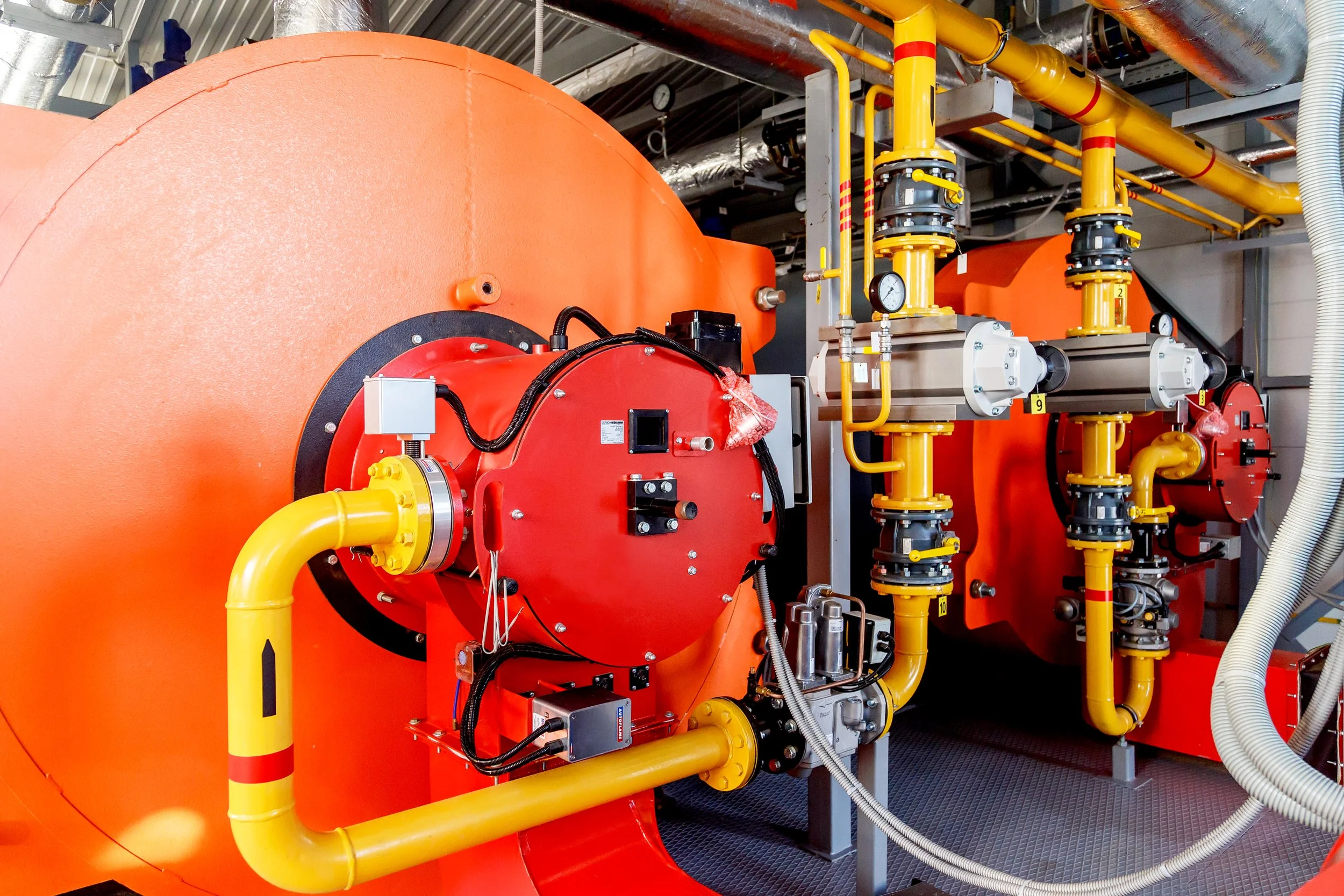
At a COP of 1.0, you're just converting electricity to heat one-for-one, and electricity is still pricier than gas, so it can't compete on cost.
Then there's the grid problem: if industry electrified with boilers at scale, the power draw would be enormous, and the grid simply doesn't have adequate capacity. Building out the required infrastructure to fix that can take decades.
High-temperature heat pumps solve both issues in one go. They're more efficient, and they ease the pressure on the grid rather than adding to it.
— Ralph Groen
That efficiency comes down to temperature lift — the gap between the source temperature and the delivery temperature. Enerin provides a heat pump technology made for high temperature differences, able to work across a wide range, which is attractive for industry. We target industrial sectors that need a high delivery temperature that is achieved with a similar flexibility as a fossil- or electric boiler.
This is where the grid argument becomes compelling. Our heat pumps typically achieve an average COP of 2 for process heat up to 200°C, without compromise on the flexibility since we do this in a single step. Most heat pumps in the industrial space require cascading multiple systems to deliver a similar lift, which comes with the penalty of requiring very stable operating conditions. And this has a positive impact for industrial users wanting to electrify their processes.
“ In practical terms, a site drawing 1 MW may need a new transformer or a costly grid upgrade.
The same site at 500 kW (COP2) often fits within existing capacity, making a project viable where it wasn't before.
That first halving of consumption is what really moves the needle for the grid. Pushing further to COP 3 or 4 only adds another 17% and 8% on top, which is a calculation worth considering.
It's also worth emphasising that higher-temperature heat pumps can still be used to co-generate process heat and cooling, with additional savings achieved from reduced or eliminated chiller and cooling tower operations. This makes the business case even stronger.
If grid investments are made and customers can be guaranteed connectivity over the next decade, we hope to see parallel technological advancement and scaling of industrial heat pumps that will make them more price-competitive compared to both fossil and electric boilers.
Technology demonstration with the right customers
What attracted you to Enerin and why do you believe high-temperature heat pumps are reaching an inflection point in the market?
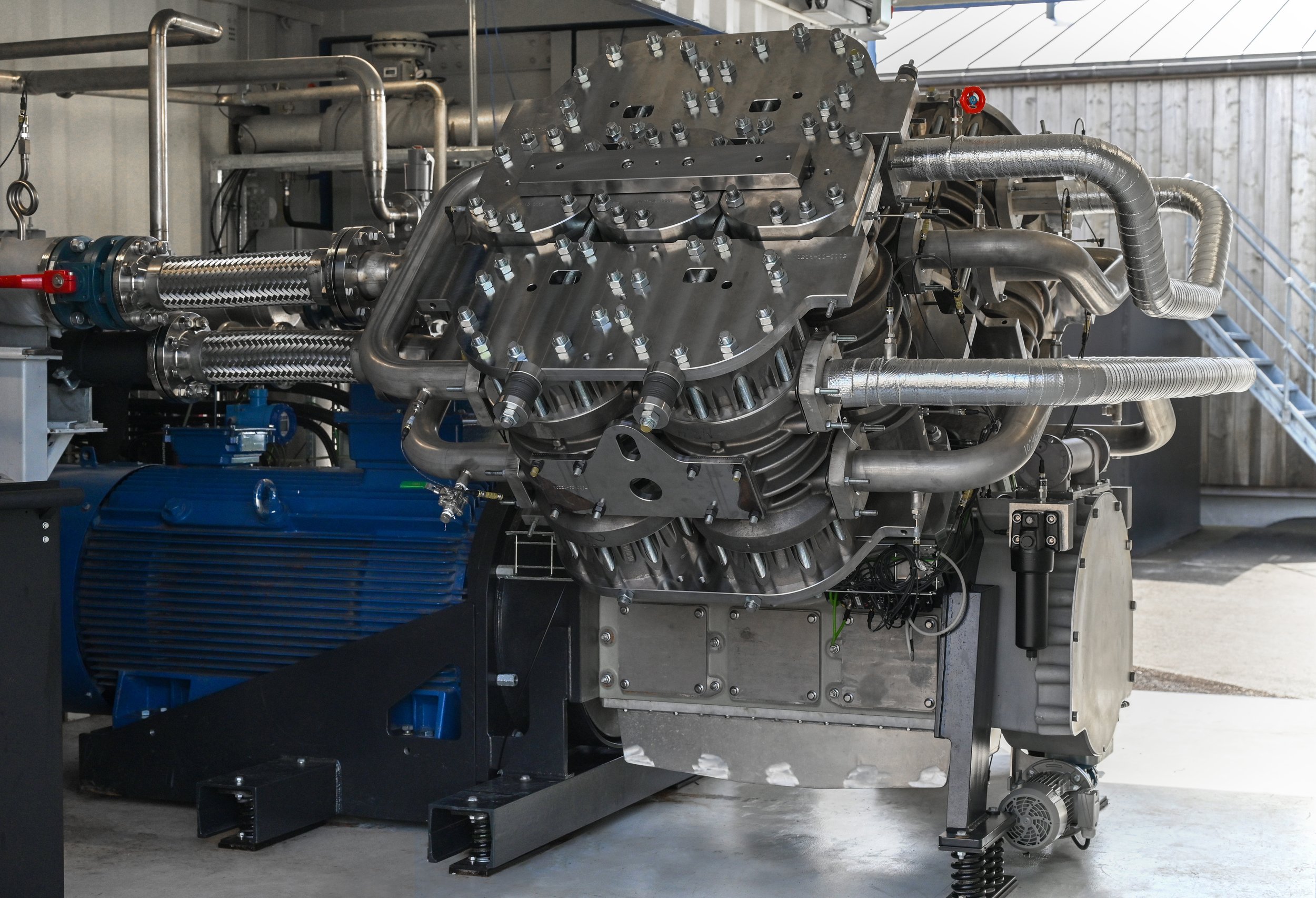
When I was approached about joining Enerin as CCO, I was immediately intrigued. Given my previous work, I was drawn both to large-scale decarbonisation of high-temperature industrial heat and to the technology itself: the well-understood Stirling process applied in a new way to meet a major industrial need.
The other decisive factor was the team. There is a great depth of experience, capability and resilience across the Enerin team, the Board and the investors. That gave me confidence. Developing new industrial technology is never a slam dunk. It requires time, capital, persistence and a great deal of energy.
“ Ultimately, the proof will be in the market. Demand for industrial decarbonisation solutions is clearly strong, but the real inflection point will come when the technology demonstrates its value consistently in operation.
That means accumulating operating hours, proving reliability, and working with customers who are prepared to develop and learn alongside us.
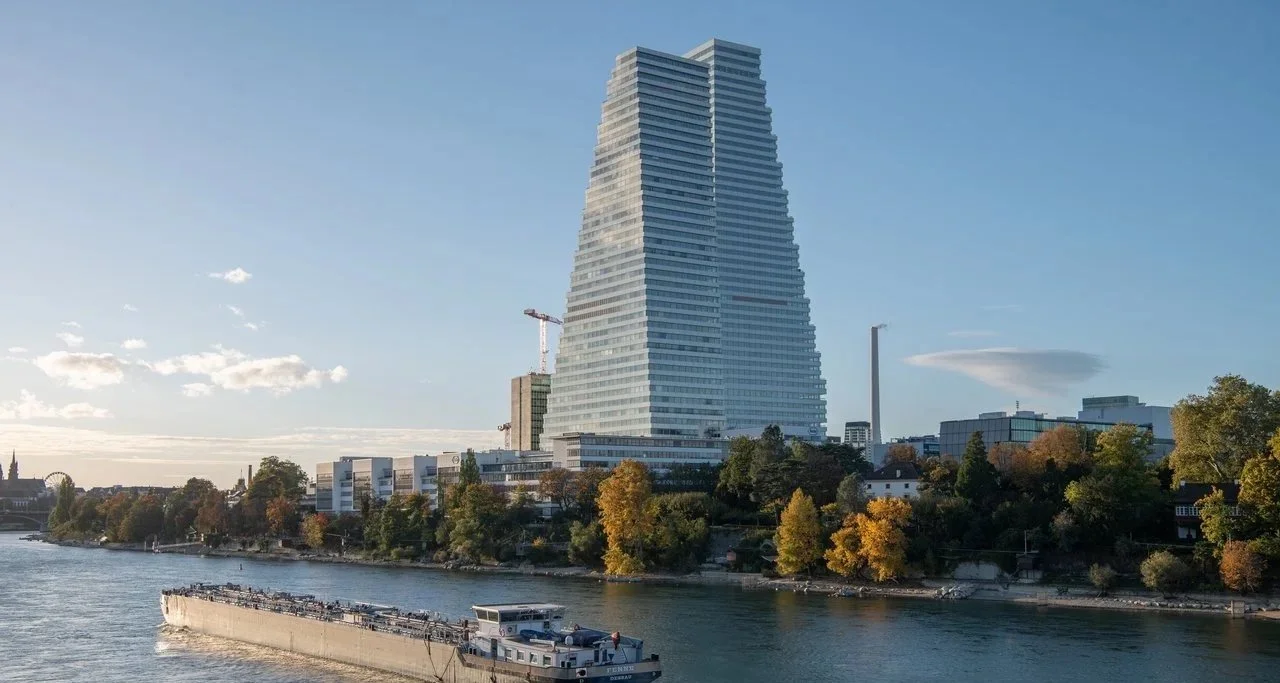
The Roche site in Basel where HoegTemp is due to be commissioned Q4, 2026.
We see encouraging signs of that already. Customers such as Roche have been highly collaborative, working closely with us as the technology is brought into real industrial settings.
We’re also undertaking detailed engineering work with new customers ahead of signing contracts in the coming months. These partnerships are essential because they allow us to demonstrate performance in the applications that matter to industry.
So, projects need to operate routinely, deliver the required reliability and flexibility, and secure funding without depending on public support. Scale will matter as well. As we gain deployment experience and increase production volumes, we can bring costs to a level that supports broader commercial adoption.
Scaling industrial electrification
What are the biggest barriers preventing industry from electrifying industrial heat today, and how is Enerin positioned to overcome them?
Even though the market is ready for high-temperature heat pumps, industrial customers aren't yet buying at scale. The biggest barrier is proven, real-world reference cases — proof that builds gradually with the right projects and customers. That takes time.
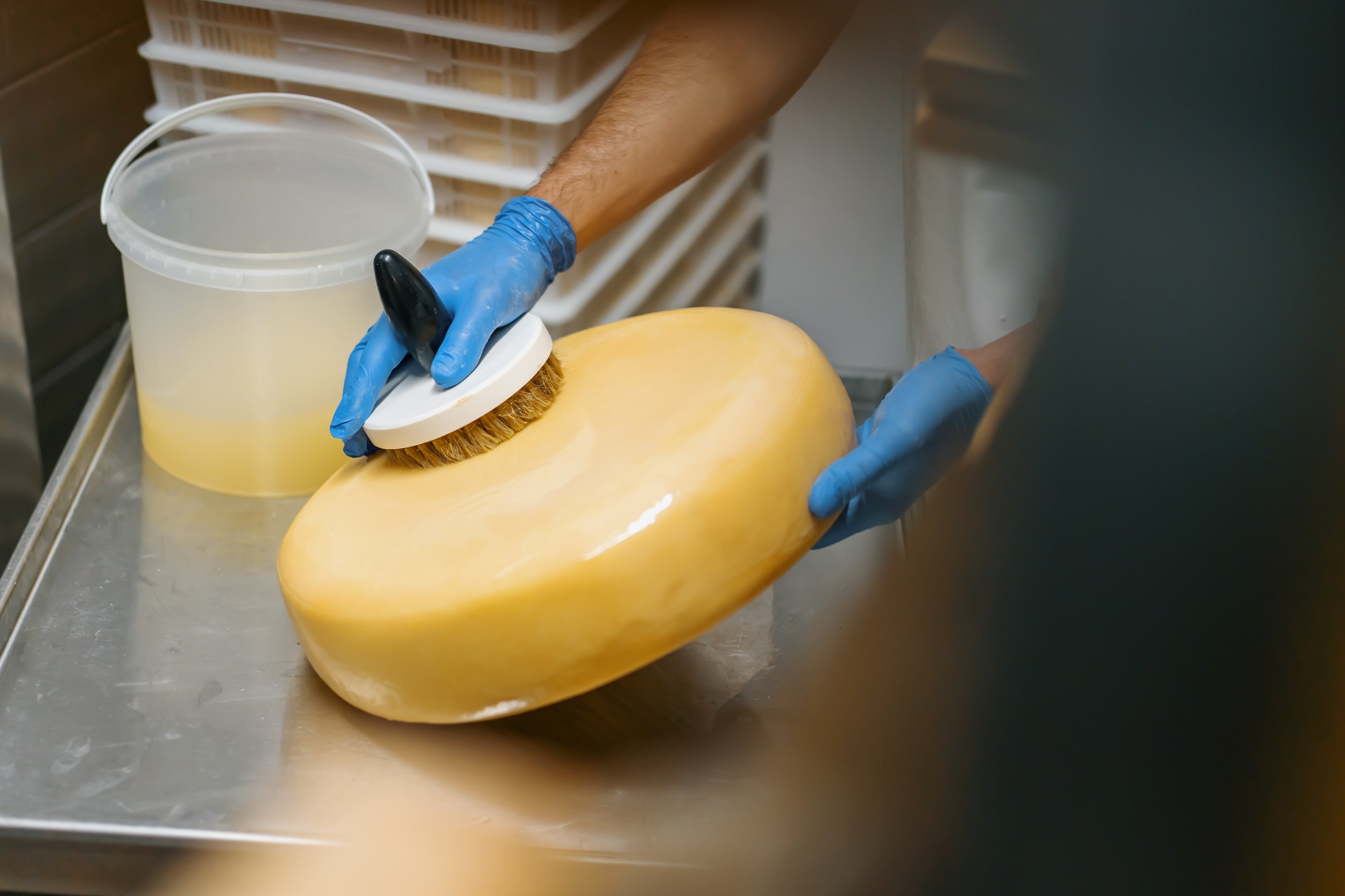
“ For our customers, operating energy equipment isn't their core business — it's manufacturing medicines, cheese, or something else.
Our technology should sit behind that like a utility. You don't think about water infrastructure when you turn on the tap. I tell customers to think hard about the purchase decision once, and after that, it should just run.
With each project, we push boundaries a little further with higher output, higher temperatures and longer maintenance intervals; building the reliability and hands-on experience with industrial customers. As that barrier drops, more customers will follow.
Enerin is well positioned because we work from a position of trust: we're open about engineering challenges, transparent on pricing, and we co-develop projects closely with customers. That trust is what makes each project succeed for both sides, and it's how we move from early references to broader adoption. This is one of the beauties of working in Norway – it’s a very trust-based society, and we take that mentality forward in our customer relationships.
Net-zero progress
Having developed net-zero roadmaps for the Nordics at BCG, how do you see progress now?
The Nordic net-zero work helped build awareness between governments, regulators, and corporates, essentially addressing the problem and identifying the opportunities. Awareness alone doesn't create action, but it's a necessary starting point.
“ Encouragingly, conversations at Enerin show that things are changing.
Blue-chip companies now approach us on the basis of long-term decarbonisation strategies and clear mandates to execute them. That's a major, decidedly positive shift.
At the same time, public funding is a key instrument in catalysing the transition, and Enerin works closely with its customers to tap into the available resources. We’re thankful to the various funding bodies that support Enerin’s development journey across the EU.
Society is moving away from fossil fuels, just not as fast as anyone would like. That system took a century to build. Replacing it is a multi-decade transition, and the task now is accelerating the technologies and investment to get there.