
High gas prices strengthen case for industrial heat pumps on Heat Pump Day
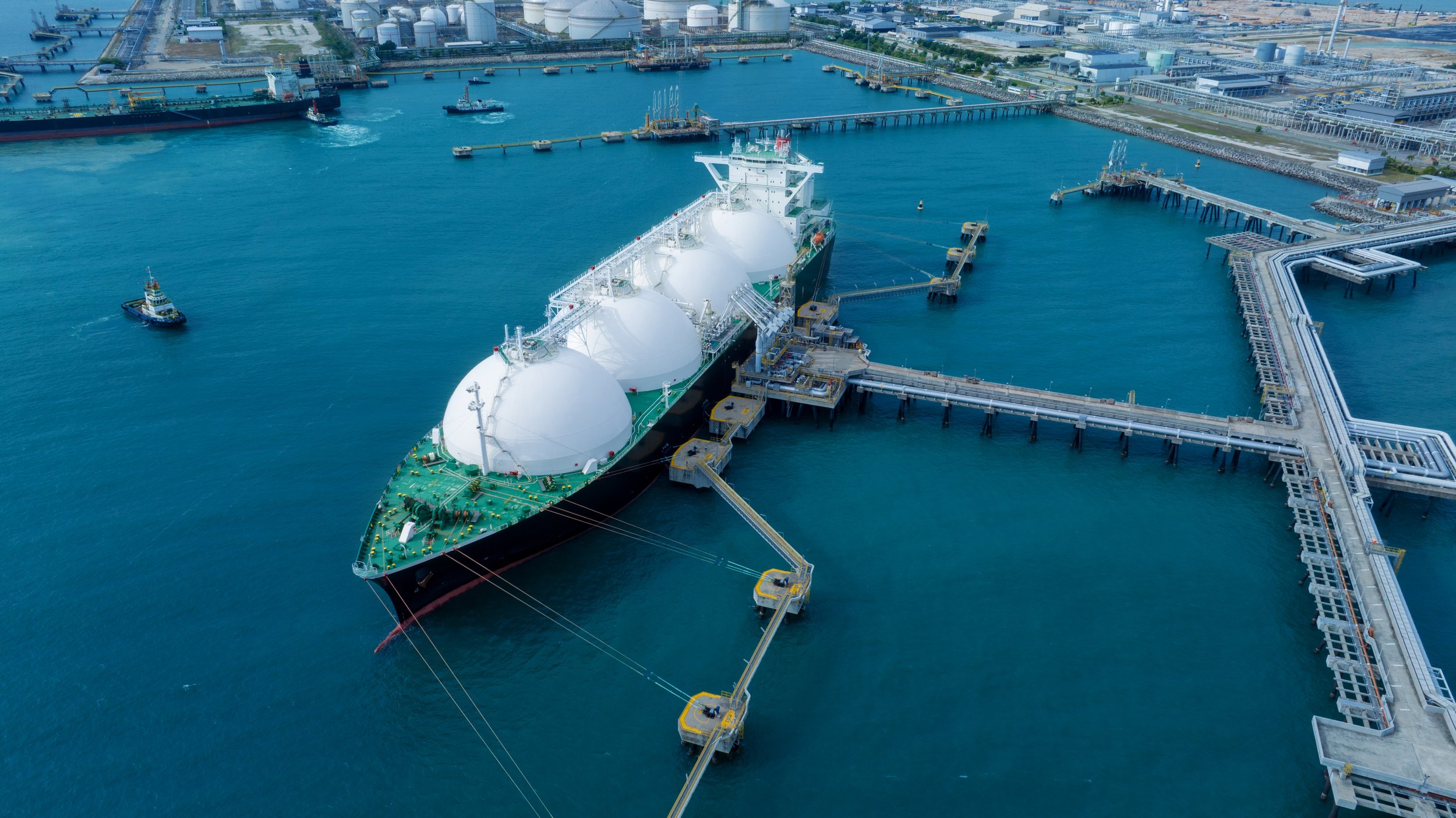
On European Heat Pump Day, gas prices in Europe are back above €87 per megawatt hour (MW/h), more than double their level before the Middle East war, according to the Trading Economics platform. Disrupted LNG supplies from the Persian Gulf and unusually low storage mean industry faces a costly winter ahead, strengthening the case for switching to industrial heat pumps.
Analysts warn that European households and industries face at least another year of high gas prices because the region will need to restock gas storage reserves. Reuters has reported that industry and businesses are struggling to stay competitive because EU gas prices are three times the price of US levels, and that was even before this year’s supply crises.
“Analysts and industry forecasters expect European gas storage to be 75-78% full by November 1, widely regarded as the end of the restocking season after which dependence on reserves to meet winter demand grows,” Euronext reported.
Even with average winter weather, gas reserves in northwest Europe could fall to around 20% by the start of April, LSEG analyst Yuriy Onyshkiv said, adding pressure to restock in 2027 if the Strait of Hormuz stays closed.
And while high gas prices can be a catalyst for heat pump adoption, the business case only works when electricity prices remain low.
Addressing the electricity tax
Countries that tax electricity more heavily than gas see slower uptake of heat pumps and stay more dependent on fossil fuels. Belgium is a clear example: higher taxes and levies on electricity make it nearly four times as expensive as gas for households, one of the widest gaps in Europe, the European Heat Pump Association (EHPA) reported in 2025.
The EHPA this week issued a press release to draw attention to heat pump sales, growth and manufacturing. EHPA Director General, Paul Kenny, said:
“From the factory floor to research labs and sales desks, the heat pump sector provides work across Europe. As people turn to heat pumps and away from fossil fuels, spurred on by high gas prices, the value of the industry will grow still further. The European Commission’s focus on lowering electricity taxation, if rapidly acted upon by Member States, will also be a key driver of the shift.”
The European Commission Electrification Plan
While the European Commission Electrification Plan, presented in July, promises to turn the region into the world's first "electro-powered" continent, it has yet to be passed into law by all EU Member States.
The European Commission said in a press release at the time of the announcement that it would lower electricity taxation to narrow the gap between electricity and gas prices by 2030. It said that electricity would cost no more than 2.5 times as much as gas for households and no more than twice as much for industry.
While the plan targets levelling the price ratio difference between gas and electricity, it provides few details as to how this would be done, taking into consideration the current system of European power trading.
How electricity is traded: keeping the lights on
As supply and demand need to be met in power trades around the clock, it can be that the most expensive fuel for power generation, such as a gas power plant paying CO2 penalties, sets the price of the electricity trade for a particular hour.
In electricity trading, the system lines up all the offers from the cheapest to the most expensive. It then works out how much electricity Europe will use in each hour and buys from the cheapest plants first, moving up the line until there’s enough. It may be that the most expensive plants may not be used at all.
But if the electricity supply contract is not met by the cheaper, abundant fuels generating power, including renewables, it can be that the most expensive plant will be called on to generate electricity for that hour.
Often in winter months when solar energy is producing less, oil, gas and coal power plants are called on to supply electricity. A CO2 tax is imposed on these polluting fuels, which is part of the Emissions Trading System.
According to the marginal pricing rule, every power generator in the contract, all using a different fuel mix, receives the same price. This way, it is guaranteed that electricity keeps flowing between power plants across European countries and regions.
The trading rule has been met with opposition as the market penetration of renewables grow. While this may improve the competitive position of renewable energy, it raises electricity prices for consumers and businesses on renewable electricity packages. They absorb the burden of the polluting CO2 tax imposed on fossil fuel plants, while renewable producers take the margin price windfall, as per the contract. This has been questioned.
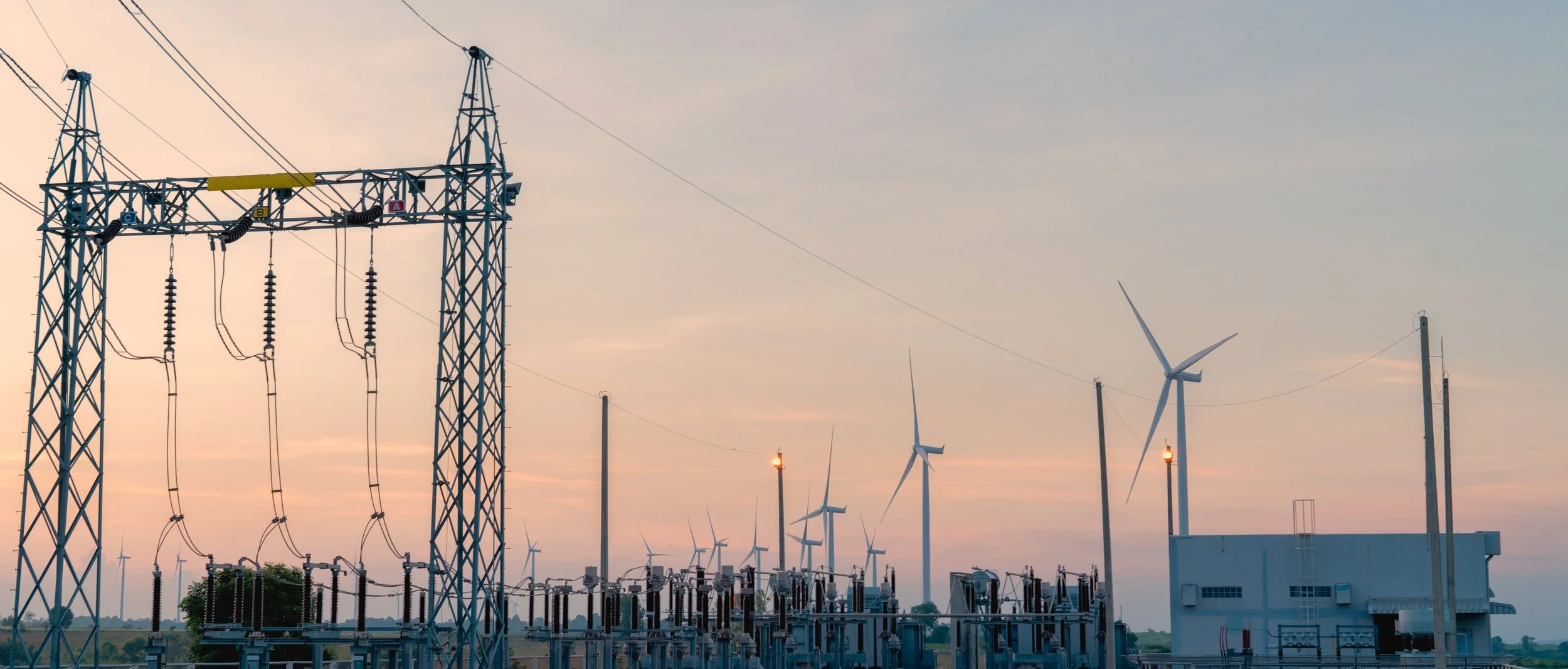
Renewable energy is set to expand. We need to address the CO2 tax being charged for renewables in the electricity contract.
Austrian economists propose stripping CO2 costs from green power prices
The Austrian Institute of Economic Research (WIFO) earlier this year (April 2026) called for a reform of the European electricity market and has proposed a new market design and a partial decoupling of CO2 for renewable-generated electricity. The Business Brief by Simon Finster, Bernhard Kasberger and Simon Rütten says this could save Austrian consumers more than half a billion euros a year without scrapping emissions trading, according to a report by the Austrian state broadcaster, the ORF.
WIFO proposes a rules-based, structural alternative where renewable generators no longer capture the full marginal price which includes a CO2 surcharge (accounting for one-third of the marginal cost), that was introduced for fossil-derived electricity generation.
The model, formulated by economist Bernhard Kasberger from WIFI, introduces a price threshold of around €100/MWh for electricity. When the wholesale price rises above that threshold, renewable generators would receive the market price minus a fixed deduction of €28/MWh. The deduction represents the CO2 cost built into the price. Fossil plants would still pay the full CO2 price. The money saved would go back to electricity consumers, which would also limit the extra profits often criticised as windfall gains.
WIFI’s model has shown that up to 8.5% could have been shaved off the price of electricity in Austria last year and around 4.7% in Germany. Kasberger said high electricity prices “weaken industrial competitiveness and make decarbonisation harder.”
Austria’s Minister of Energy, Elisabeth Zehetner, welcomed the study the day it came out. She said it backed the debate Austria had already started at EU level: the CO2 price shouldn’t make renewable electricity more expensive.
Corporate governance a factor in industry’s switch away from gas
For manufacturers that burn gas to produce process heat, the case for switching to industrial heat pumps certainly will be more compelling as gas prices are higher, although industry usually negotiates long-term tender or Power and Purchase agreements with suppliers, including a mix of futures and spot intraday trades.
Enerin’s observation is that as heat pump technologies mature, corporate governance is playing a role in the decarbonisation of many sectors. This is being spurred by policy that resonates with climate-conscious voters.
Enerin CCO, Ralph Groen, says that Enerin frequently receives requests from companies that have set a clear decarbonisation target.
“They have decided at the top level that there is a strategic advantage in being independent of volatile gas prices, while at the same time recognizing climate action is not optional. Still, the business case needs to work, so affordable electricity compared to gas certainly helps the decision to implement a heat pump,” he commented.
Our next news story will cover policy developments in Norway that will have a knock-on effect for industry to decarbonise further.
Read the WIFO business brief by Simon Finster, Bernhard Kasberger and Simon Rütten.